Poor Oral Health Linked to Hidden Brain Damage
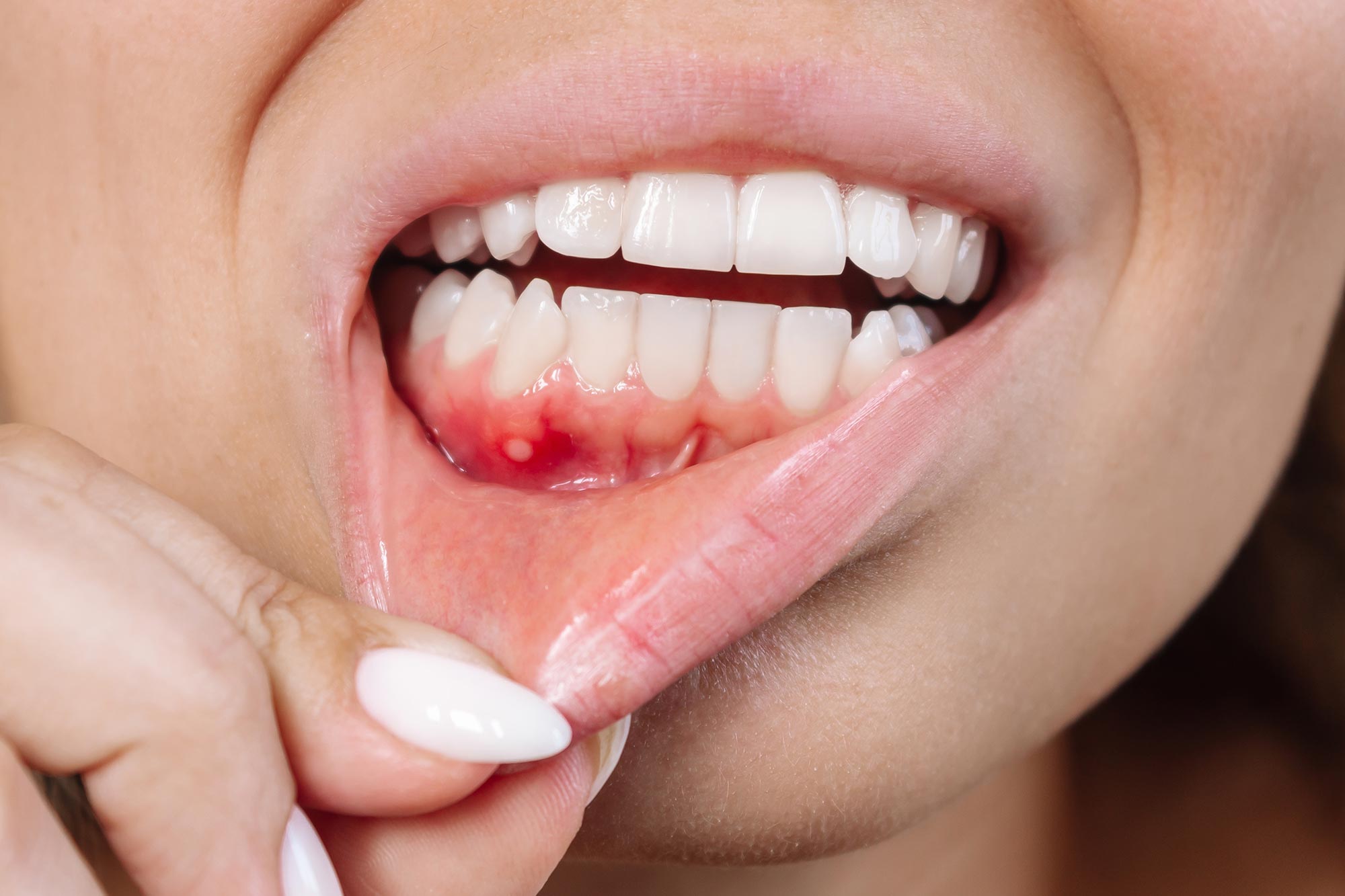
New research suggests that gum disease may be linked to subtle but measurable changes in the brain.
Older adults with gum disease were more likely to have white matter hyperintensities—bright areas seen on brain scans that indicate damage to nerve fibers responsible for communication between brain regions. These changes are tied to problems with memory, balance, and coordination, and may increase the risk of stroke.
Gum Disease Linked to Brain White Matter Damage
A new study suggests that adults with gum disease could be more likely to show signs of white matter damage in the brain than those without it. The findings were published on October 22, 2025, in Neurology Open Access, a journal of the American Academy of Neurology. These white matter changes, known as white matter hyperintensities, appear as bright spots on brain scans and are thought to indicate tissue injury. Although the study revealed a connection between gum disease and these brain changes, it did not confirm a direct cause.
White matter is made up of nerve fibers that enable communication between different areas of the brain. When this tissue is harmed, it can affect functions such as memory, balance, coordination, and decision-making, and may increase the risk of stroke. White matter hyperintensities are a common finding in older adults and may be a marker of subtle brain injury related to blood vessel health or inflammation.
Clues From Brain Scans and Oral Health
“This study shows a link between gum disease and white matter hyperintensities, suggesting oral health may play a role in brain health that we are only beginning to understand,” said study author Souvik Sen, MD, MS, MPH, of the University of South Carolina in Columbia. “While more research is needed to understand this relationship, these findings add to growing evidence that keeping your mouth healthy may support a healthier brain.”
The research involved 1,143 adults with an average age of 77. Each participant underwent a dental exam to assess for gum disease, and 800 were found to have it while 343 were not.
All participants also had brain scans to check for signs of cerebral small vessel disease, which affects tiny blood vessels in the brain. This condition can show up as white matter hyperintensities, cerebral microbleeds, or lacunar infarcts—changes often seen with aging that are associated with memory decline, stroke, and mobility issues.
Striking Numbers: Gum Disease and Brain Damage
On average, people with gum disease had white matter hyperintensities covering 2.83% of total brain volume, compared to 2.52% among those without gum disease. Researchers grouped participants by the amount of white matter affected. Those in the top category had over 21.36 cubic centimeters (cm3) of hyperintensities, while those in the lowest had less than 6.41 cm3.
Among those with gum disease, 28% were in the highest group, compared to 19% of people without it. Even after accounting for other factors such as age, sex, race, high blood pressure, diabetes, and smoking, gum disease remained linked to a 56% higher likelihood of being in the group with the most extensive white matter damage.
The study did not find any association between gum disease and other types of brain abnormalities linked to small vessel disease, including cerebral microbleeds and lacunar infarcts.
The Bigger Picture: Why Oral Health Matters for the Brain
“Gum disease is preventable and treatable,” said Sen. “If future studies confirm this link, it could offer a new avenue for reducing cerebral small vessel disease by targeting oral inflammation. For now, it underscores how dental care may support long-term brain health.”
One limitation of the research is that both dental assessments and brain scans were performed only once, which means changes over time could not be tracked. Even so, the results point to an intriguing connection between oral health and brain function that deserves further exploration.
Reference: “Periodontal Disease Independently Associated With White Matter Hyperintensity Volume – A Measure of Cerebral Small Vessel Disease” by Jaclyn Meyer, Chylee Martin, Stefanie Wood, Forrest Lowe, Leonardo Bonilha, Hamdi S. Adam, Ryan Demmer, Bruce A. Wasserman, Wayne D. Rosamond, James D. Beck and Souvik Sen, 22 October 2025, Neurology Open Access.
DOI: 10.1212/WN9.0000000000000037
Never miss a breakthrough: Join the SciTechDaily newsletter.
Follow us on Google, Discover, and News.
link