Officials: Parents need to know safe sleep rules for infants
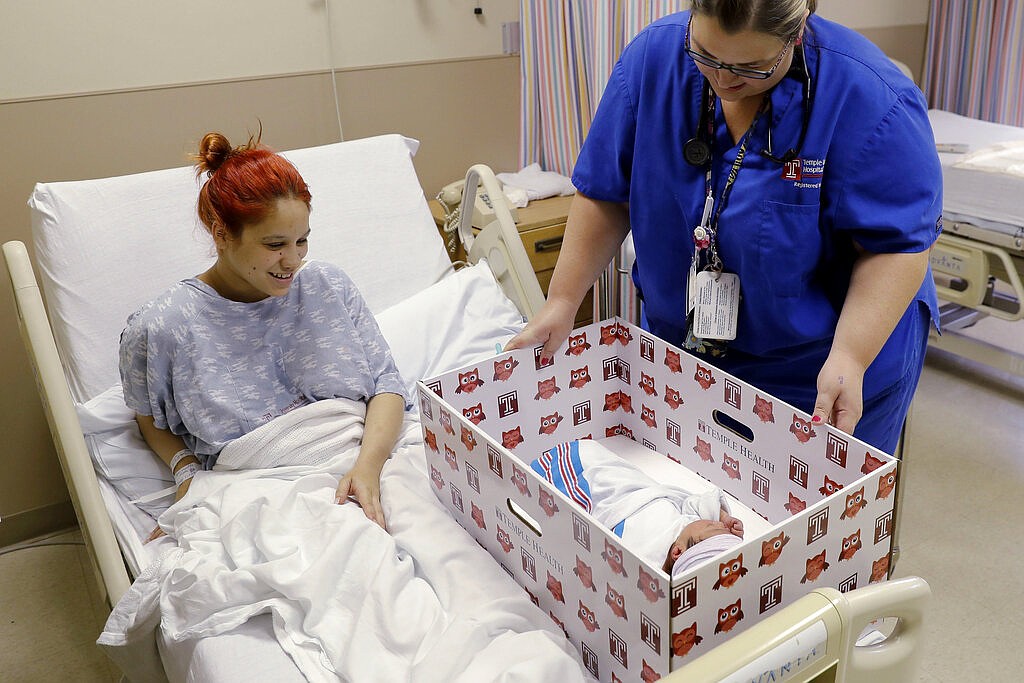
Infant mortality is on the rise in Hamilton County, Erlanger Health and Hamilton County Health Department officials say, and they are advocating for families to use safe sleep practices.
The number of infant deaths has increased nationally as well, said Dr. Andrea Goins, medical director of newborn nurseries for Erlanger, and officials are not sure of the reason locally or nationally. Education will help the situation, Goins said.
“Safe sleep practices work when they’re done,” she said. “So, our goal is to get that message out and remind parents and grandparents and caregivers about the importance of a safe sleep environment and preventing those infant deaths.”
RISK FACTORS
Goins said there is a correlation between maternal health and infant death relating to the resources families have available to them.
“If a mom doesn’t have access to health care or limited access to health care, those kinds of things, then they similarly don’t have the same access to infant care, pediatrician visits,” she said. “Perhaps even the things needed for a sleep environment.”
Infant mortality is defined as the death of a baby before his or her first birthday, registered nurse Marissa Thompson said via email. She is the infant mortality review and prevention program manager for the county’s Health Department.
The infant mortality rate is the number of infant deaths per 1,000 live births, she said. Every baby is at risk, but African Americans are disproportionately affected, she said.
In 2022, Thompson said, there were 10 infant deaths per 1,000 among the African American population, while there were four infant deaths per 1,000 in the white population.
According to the Health Department’s epidemiology team, there have been 263 infant deaths from 2013 to 2023. Of those deaths, 13% were due to a lack of safe sleep practices, situations in which the infant experienced airway obstruction during sleep. Additionally, about half of the deaths involved someone co-sleeping with the infant.
In 2023, 25% of infant deaths were due to lack of safe sleep practices, and over 70% of those deaths involved co-sleeping, according to the Health Department.
The percentage of infant deaths due to a lack of safe sleep is roughly three times what it was before the pandemic, with a rate of 8.2% in 2017 to 2019, 15.9% from 2020 to 2022 and now 25% in 2023, according to Health Department data.
Causes and contributing factors
— Congenital anomalies
— Preterm birth
— Pregnancy complications
— Infections
— Accidents
— Sudden unexpected infant death, which includes sudden infant death syndrome, accidental suffocation and strangulation in bed and other deaths from unknown causes
Source: Hamilton County Health Department
Thompson said there are many causes and contributing factors that may lead to infant mortality, including pregnancy complications and preterm births.
At highest risk are infants who are between 4 and 6 months old and cannot roll over on their own yet, Goins said.
WAYS TO HELP
Goins, the newborn nurseries medical director for Erlanger, said one of the most preventable causes in infant deaths are unsafe sleep practices, which can be stopped if babies are put in safe sleep environments.
Both Goins and Thompson referenced the ABCs of Safe Sleep, a method calling for parents to remember babies should always sleep alone, on their back and in a crib.
“That means we don’t want them co-sleeping,” Goins said. “We don’t want them sleeping with someone, or with other blankets and stuffed animals and all the things that are cute to go in a crib, but they’re actually a hazard for those sleep environments.”
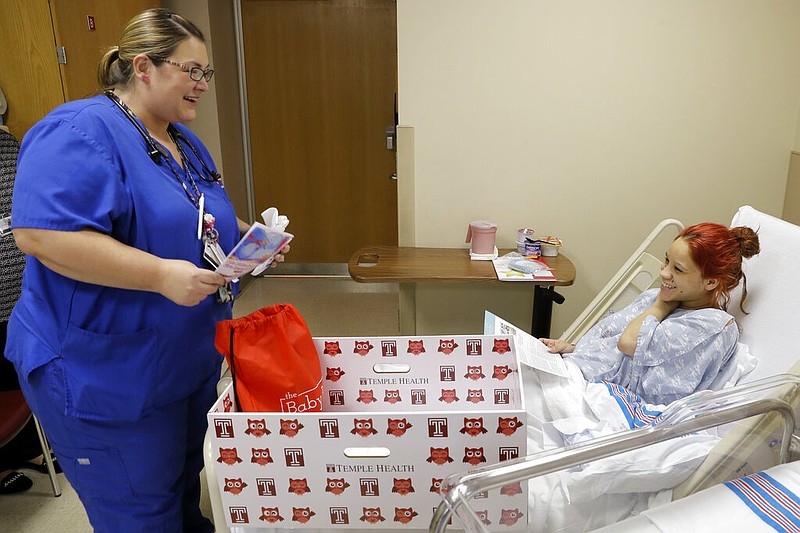
Medical professionals recommend babies have their own sleep space, such as a crib or bassinet, Goins said. If families don’t have those resources, it’s much more difficult to enact safe sleep practices.
A lack of resources may be tied to socioeconomic status, Goins said. Erlanger is reaching out to its sponsors to share about safe sleep, and professionals are working with social workers within the hospital’s newborn nursery to learn what resources families have.
The hospital is also getting help from its social workers and the community to obtain cribs, bassinets, Pack ‘n Plays and car seats, Goins said. These are things new parents need.
Resources are available through the Hamilton County Health Department and local hospitals when babies are born to help families achieve safe sleep, she said.
Socioeconomic status seems to impact infant mortality more among the African American population due to inadequate access to health care or the quality of care, Thompson said. This may be the result of racism, discrimination, lower educational status, a lack of employment or income, lack of support systems and other factors.
Those social determinants of health contribute to disparities in infant mortality and poor birth outcomes, she said.
(READ MORE: Combating maternal and infant death rates, Clínica Médicos will open a new women and children’s center)
Thompson said disparities increase the likelihood that a mother has unknown or unmanaged chronic conditions, will receive either late or no prenatal care and will have a higher risk of a preterm birth, an infant who has a low birth weight or a still birth.
More information on risk factors
Some risk factors during pregnancy may indicate poor birth outcomes, registered nurse Marissa Thompson said. This includes infants born to teen mothers — aged 10 to 17 — unmarried women and women with less than a high school education. An infant is at risk when his or her mother does not receive prenatal care or late prenatal care, or when she smokes during pregnancy. If infants are born prematurely — before 37 weeks — or weigh less than 3.3 pounds at birth, they are also at risk for infant mortality.
Source: Hamilton County Health Department
Additionally, she said, disparities increase the likelihood a mother won’t have the necessary resources to take care of her baby properly. This includes transportation, proper housing, a car seat, a crib, food, diapers and more.
(READ MORE: Doctors unsure of why a man’s kidneys failed. He’s among 3,000 in need of an organ statewide)
Thompson said women should receive both prepregnancy and prenatal care because achieving optimal health before getting pregnant greatly improves birth outcomes.
“Women should not wait until they get pregnant to take the necessary steps to improve their health or to manage chronic health conditions such as high blood pressure or diabetes,” she said.
Women can also manage their weight, get the right nutrition and avoid smoking, alcohol and drugs during pregnancy to reduce infant mortality.
Goins wants people to speak with their pediatricians, health care providers and families to help reduce the number of infant deaths.
Medical professionals have learned that recommendations on how to keep babies safe have evolved over the generations, she said. What one generation may believe to be a safe practice may no longer be the best method.
“With multigenerational caregivers, it has to be something that everybody is aware of,” she said.
Contact Leah Hunter at [email protected] or 423-757-6673.
link