Don’t fight against winter bugs, give in to what your body tells you

If you’re fighting off cough after sniffle — and winter’s barely started — Dr Camilla Stokholm understands where you’re at. “I’m feeling really sorry for myself,” she posted recently on her Instagram @whatyourdoctoreats. “I’m nursing my second cold in two months.” She added: “My house is a mess and there’s almost no food in my fridge.”
An NHS GP until recently — she is moving back to her native Denmark — she had a pretty good idea as to why she and others have been repeatedly struck down. If we’re otherwise healthy but battling back-to-back bugs, there are three main causes, she says: we’re malnourished in some way, we’re stressed and/or we’re not getting enough sleep.
“When I was working as a GP I’d have patients saying, ‘I get every single cold going,’ and they couldn’t understand why. It was always one of those three things,” she says. “Our modern lives don’t fit with how we evolved to live. And if you strip it back to basics and focus on looking after your body in a very simple way, your health will thrive.”

Dr Camilla Stokholm
BEN KNIGHT FOR THE TIMES
For Stokholm, catching virus after virus is not the norm. “Despite being coughed on for a living I usually succumb to one bug a year,” she says. But she’s felt stressed and that has had a negative impact on her immunity. Why? Studies have shown our subjective stress level correlates perfectly with chronic levels of the hormone cortisol. “That tense feeling precisely predicts our individual level of our stress hormone,” she says.
“Prescribed steroids,” she adds, “are a perfect example of what can happen when you stimulate extra cortisol. In the short term we use these medications to reduce inflammation because they calm down your immune response but if you take them long term you risk infections — the same is true from long-term stress.”
So to ward off that chill we need to … chill. Here are five free, simple ways Stokholm enforces “active rest”.
• How not to get sick this winter: 12 ways to boost your immunity
1. If I’m ill, I listen to my intuition: zero exertion
Intense exercise is a stress to the body. If you’re well this can be a “good” stress that triggers inflammation which the body then overcompensates for with a net reduced inflammation response, according to Stokholm. In addition, she says “contracting muscles also directly optimises white blood cell function, gearing them up to fight future bugs”.
Knowing this — and, for some, being neurotic about not exercising for days on end — it can be a challenge to do nothing when we’re ill. So the day we feel 1 per cent less rotten, we sneak back to our normal regime. Even if our body is resistant, we override instinct. “We have this mind-set that we should just power through.” Bad move. “You’re slowing down your body’s defence system.” When we’re really ill — fever, aching body, severe cough — “the main focus should be rest. It’s something we intuitively want to do but often feel guilty about.” Stokholm adds, “I lean into that. No guilt.”
2. I simplify what I eat — but no Deliveroo

Miso, noodles, eggs and vegetables can please your microbiome when you’re under the weather
SORIN BANICA/500PX/GETTY IMAGES
Not surprisingly, as the author of the bestselling book What Your Doctor Eats, when Stokholm is ailing she doesn’t think to hell with it and get a takeaway. That it’s “convenient” is a marketing trick, she says. On her post talking about being ill, she whips up an omelette with four ingredients — eggs, feta, leeks and defrosted spinach — and suggests that when under the weather, we “prioritise simple, humble food”. “I still eat well but not at the expense of rest,” she says.
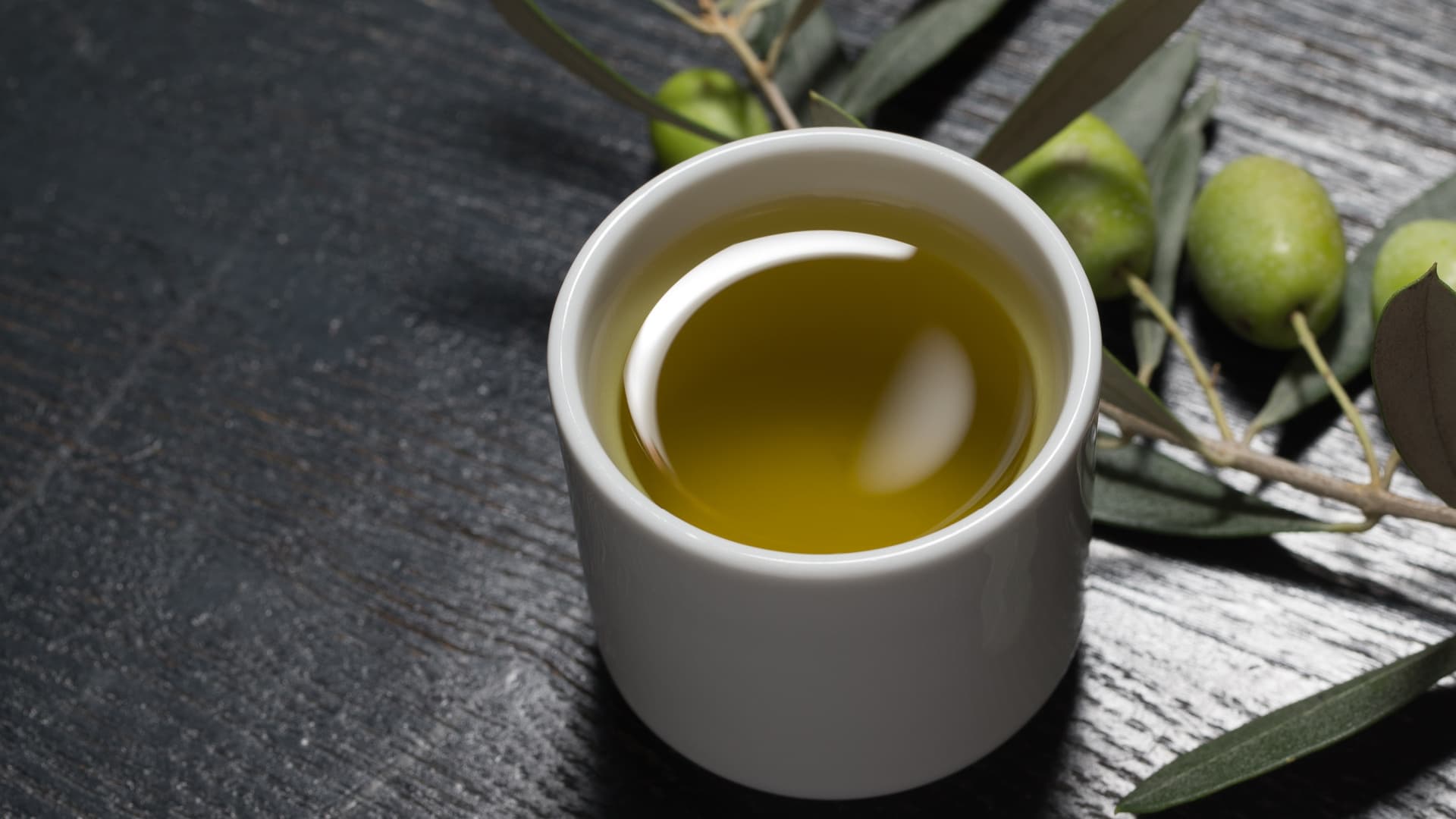
She also notes that stress inflames the gut lining and most of our immune system lives in the lining of our bowel, so if you’re stressed and sickening it’s particularly important to eat to please your microbiome — fibre, whole foods, omega-3s, polyphenols, prebiotics. So you might bung a spoon of miso in boiling water with some noodles, a boiled egg and some vegetables, or make a picnic of crudités, fruit, nuts, cheese, pickles, ferments and boiled eggs — “I am slightly obsessed with boiled eggs when time poor,” she says. “You could also make ravioli with frozen peas, cavolo nero, extra virgin olive oil and a grating of cheese.”
• The secret to a healthy immune system? Get a dog and eat dirt
3. I get extra sleep (and read in bed)
If she’s feeling rough Stokholm will “massively prioritise sleep” — and she’ll do so “right at the beginning”. If she’s ill enough to be off work, “I sleep as much as possible and I don’t feel guilty about it. It’s not laziness, it’s genius medicine. Sleep is the most powerful way to boost your immune system and recover from an illness.”
She notes that scientific experiments have shown that if you stop an animal from sleeping it dies within days or weeks from overwhelming infection, so powerfully does this compromise its immune system. When fighting off a succession of bugs, her rule is: “Go to bed an hour earlier, curl up with a book for half an hour. It costs you absolutely nothing to sleep more but it’s the most effective thing you can do.”
4. I pause my to-do list
Stokholm understands the struggle of breaking from toil. “As a type-A high achiever I’m guilty of confusing productivity with self-worth but I now recognise actively resting is the most productive thing I can do when ill.” The thought of obligations piling up can be stress-inducing but, she says, “while recovering, I look at my to-dos with the attitude of a junior doctor. On the wards I juggled more than 100 ‘urgent’ tasks on my to-do list, but if a patient suddenly deteriorated the list was meaningless.” She argues that “it’s much more efficient to think that for 48 hours I’m going to give in to it, let my body rest and just get it done” — after which she’ll recuperate faster. Stokholm adds: “You’re not being lazy. You’re doing what your body needs.”
• Read more expert advice on healthy living, fitness and wellbeing
5. I get outside and don’t wear sunglasses
In recovery should we roll around in pyjamas or venture outside? Both. “Mooching on the sofa and watching bad TV — that’s going to be effective for the recovery phase,” Stokholm says. Though, of course, sunlight has a huge impact on wellbeing. “It shapes everything from sleep, mood, vitamin D to mitochondrial function.”
Indoors, we’re light-starved. “In my house in England, you get 10 lux, which is teeny tiny, whereas outside, even on an overcast day, you get 10,000 lux,” she says. When we’re getting better or our illness is mild — symptoms from the neck up — “zone 2 exercise”, such as a brisk walk, can help our immune system, and if it’s in nature, all the better. She says, “Phytoncides are airborne chemicals released by trees that boost our natural killer cells, which help to fight infection.”
And when you are outside, don’t wear sunglasses — they nullify the health advantages of natural light. Stokholm says, “You’re basically creating the conditions of indoor light again. You’re defeating the whole point of being outside.”
@whatyourdoctoreats
link