



Key Points
- New research shows that people who have both gum disease and cavities face an 86% higher risk of stroke compared to those with healthy mouths.
- Poor oral health was also associated with a 36% greater chance of heart attacks and other serious cardiovascular problems.
- Regular dental checkups made a major difference, with participants who saw a dentist routinely being 81% less likely to have both gum disease and cavities.
- Scientists note that better daily oral care could be an important, often overlooked way to help lower stroke risk.
Oral Health Problems Linked to Higher Stroke Risk
People who have both cavities and gum disease may be more likely to experience an ischemic stroke, according to research published recently in Neurology Open Access, the official journal of the American Academy of Neurology. The authors noted that the findings point to an association rather than direct evidence that poor oral health causes strokes.
Ischemic strokes occur when a blockage or clot interrupts blood flow to the brain, cutting off the oxygen and nutrients the brain relies on. This is the most common type of stroke.
Understanding Cavities and Gum Disease
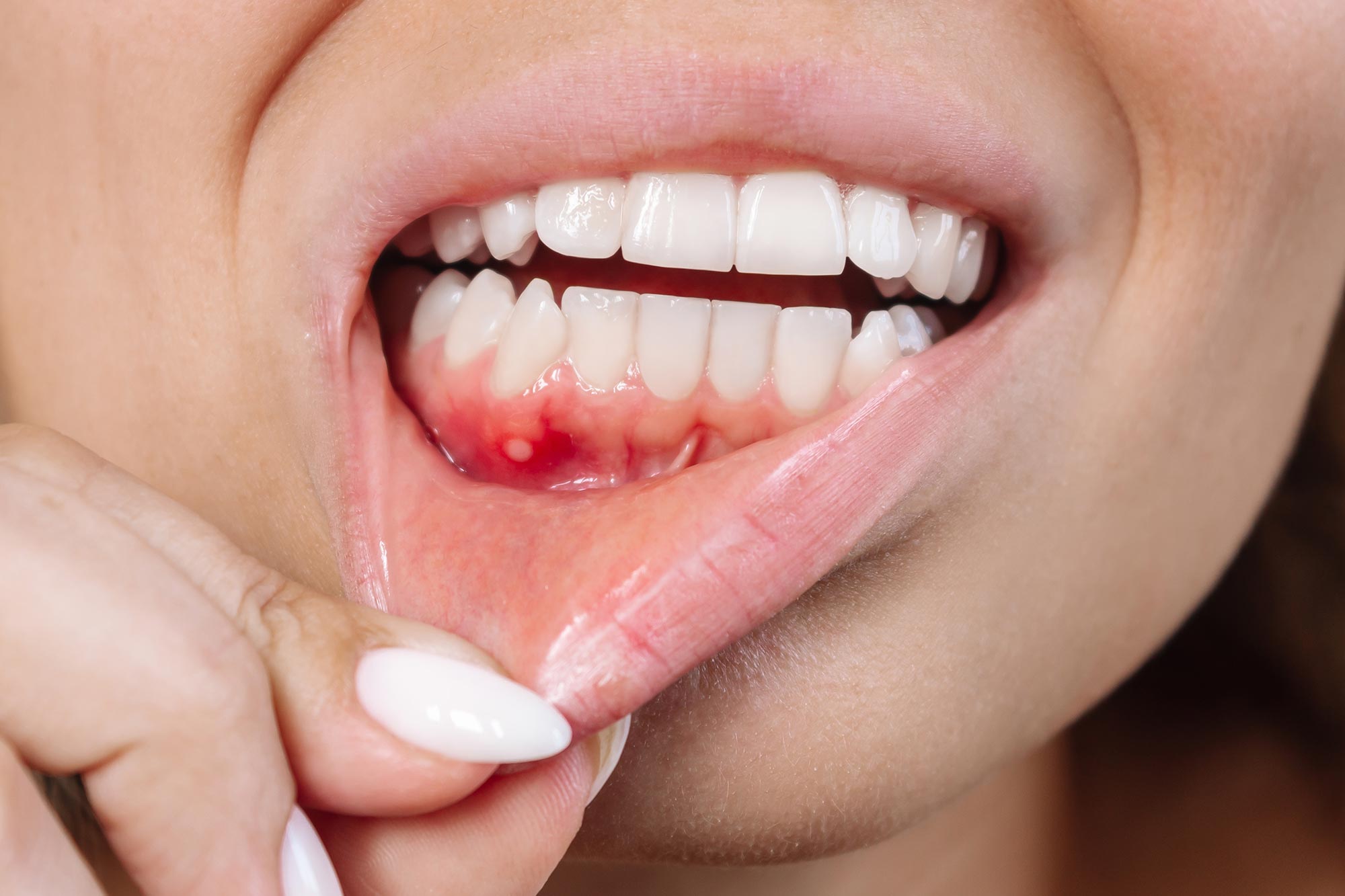
Cavities form when bacteria weaken and break down tooth enamel, often due to sugary or starchy foods, insufficient brushing, or genetic factors. Gum disease develops from inflammation or infection of the gums and the bone that supports the teeth, typically as a result of poor oral hygiene. If left untreated, it can result in tooth loss.
“We found that people with both cavities and gum disease had almost twice the risk of stroke when compared to people with good oral health, even after controlling for cardiovascular risk factors,” said study author Souvik Sen, MD, MS, MPH, of the University of South Carolina in Columbia. “These findings suggest that improving oral health may be an important part of stroke prevention efforts.”
Long-Term Study Follows Nearly 6,000 Adults
The research team evaluated data from 5,986 adults with an average age of 63, none of whom had previously experienced a stroke. Each participant completed a dental exam to determine whether they had gum disease, cavities, or both. Based on these assessments, they were grouped into one of three categories: healthy mouth, gum disease only, or gum disease with cavities.
Participants were followed for 20 years through phone interviews and medical record reviews to identify who later had a stroke.
Among the 1,640 people with healthy mouths, 4% experienced a stroke. That number rose to 7% among the 3,151 people with gum disease only and to 10% among the 1,195 participants who had both gum disease and cavities.
Stroke and Heart Disease Risks Increase With Poor Oral Health
After adjusting for factors such as age, body mass index, and smoking status, the researchers found that people with both gum disease and cavities had an 86% higher risk of stroke than those with healthy mouths. Participants with gum disease alone had a 44% higher risk.
The study also examined a wider range of cardiovascular issues. People who had both gum disease and cavities were 36% more likely to experience a major cardiovascular event, including a heart attack, fatal heart disease, or stroke, compared to those with healthy mouths.
Benefits of Regular Dental Visits
Regular dental care appeared to significantly lower risk. Participants who said they visited the dentist routinely had 81% lower odds of having both gum disease and cavities and were 29% less likely to have gum disease on its own.
“This study reinforces the idea that taking care of your teeth and gums isn’t just about your smile; it could help protect your brain,” said Sen. “People with signs of gum disease or cavities should seek treatment not just to preserve their teeth, but potentially to reduce stroke risk.”
Study Limitations
The researchers noted that participants’ oral health was assessed only once at the start of the study, meaning changes in dental health over time were not captured. They also acknowledged that unmeasured lifestyle or health factors may have influenced the results.
Reference: “Combined Influence of Dental Caries and Periodontal Disease on Ischemic Stroke Risk” by Stefanie Wood, Lawson Logue, Jaclyn Meyer, Kevin Moss, James D. Beck, Michelle C. Johansen, Wayne D. Rosamond and Souvik Sen, 22 October 2025, Neurology Open Access.
DOI: 10.1212/WN9.0000000000000036
Never miss a breakthrough: Join the SciTechDaily newsletter.
Follow us on Google and Google News.
link